

odisha Chapter
Bodha Anveshi - Odisha Chapter - brings to you 20 magnificent temples, dedicated to all five deities of panchayatana worship in Bharatavarsha, in various different corners of Odisha, in an exciting tour of four days.
Day 0
Arrival in Bhubhaneshwar
Stay the night in Bhubhaneshwar.
Day 1
Bhubhaneshwar
1. Mukteshvara
2. Parshurameshvara
3. Kedara-Gouri
4. Siddheshvara
5. Bhaskareshvara
6. Brahmeshvara
7. Rajarani
8. Panchpandub
9. Mahavinayaka
Day 2
Bhubhaneshwar + towards Konark
10. Lingaraja
11. Baitala Deula
12. Shishireshvara
13. Chitrakarini
14. Shukasari
15. Ananta Basudeva
16. Chausath Yogini
17. Sakshi Gopal
Day 3
Konark, Gop, and Chaurasi
18. Konark Sun Temple
19. Gangeshvari Devi, Bayalish Bati
20. Barahi Devi
21. Raghurajpur Art Village
Day 4
Puri, Sakshi Gopal, Hirapur, Udaygiri
22. Jagannath Temple
Temples
Use buttons to navigate, or swipe left/right.
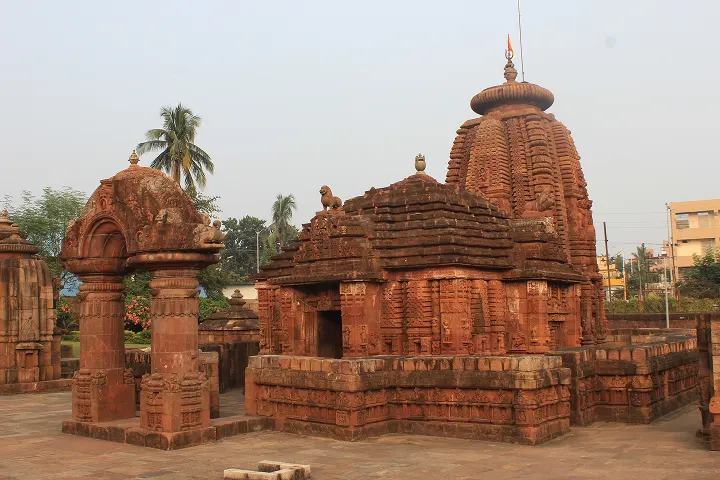
Mukteshvara Temple
One of the most important temples of Bhubaneswar, Mukteshvara temple is dedicated to Shiva and built in the mature Kalinga nagara style with a very beautiful and slender rekha devala vimana over the garbha-gruha; a pidha devala jagamohana; a low sculpted boundary wall running all around; and a most exquisite free-standing torana in front of its entrance, which is a unique feature in all of Kalinga architecture. This temple is small as compared to other great temples of Bhubaneswar but it holds extreme significance as it represents a mature Kalinga style and is extremely well sculpted as well as proportionate in architectural dimensions with even its jagmohana sporting all elements of ratha projections with beautiful gavaksha meshes. Built in the 10th century it is a pride of Kalinga architecture.
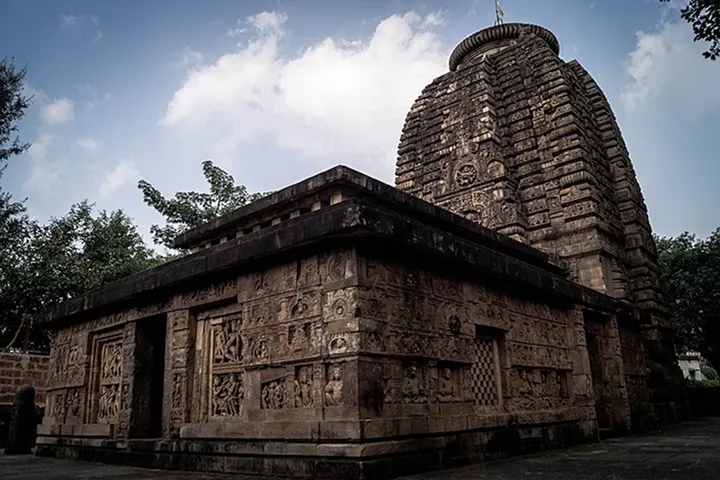
Parashurameshvara Temple
Parashurameshvara Temple is one of the oldest great temples of Kalinga architecture in Bhubaneswar. It is representative of early Kalinga style, which had a properly developed garbha-gruha shikhara in rekha devala style, but a jagamohana with a flat two storeyed roof. But this temple is the first one with a mandapam. The temple is dedicated to Shiva but it is also famous for many sculptures of parshva devatas in the deva koshthas on three sides. The temple sports beautiful sculptures of Sapta Matrikas, Kartikeya, Ravana shaking Kailasha and other scenes from the legends of Shiva.
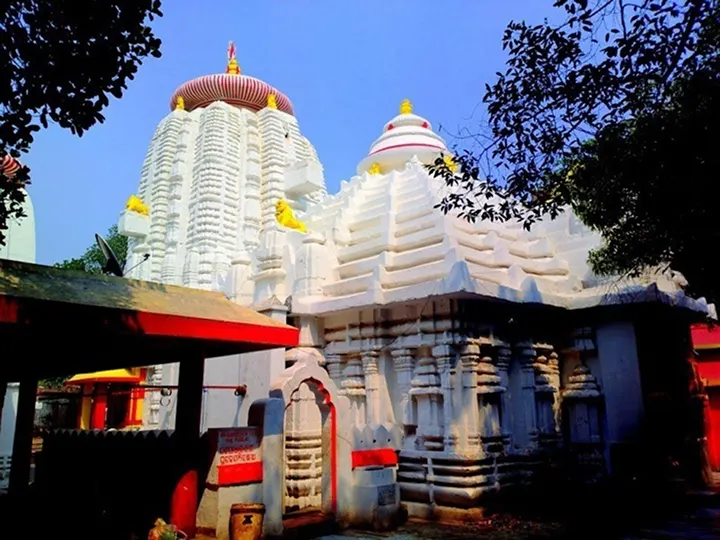
Kedar-Gouri Temple
This twin temple complex along with the sacred lake is a living temple which is very famous in the local community of Bhubaneswar and Odisha. The bigger temple is called the Kedareshvara temple with a rekha devala typical Odissi shikhara over its garbha-gruha. The temple is dedicated to Shiva. The other temple is dedicated to Shakti, or Parvati, called Gouri in the temple. This temple, like most Shakta temples, has a valabhi shikhara. These temples were much desecrated by Islamic invaders in the medieval ages and one can see the reconstruction by the local community. A local legend also tells that the temple was dedicated by King Lalitendu Kesari in honor of two lovers called Kedara and Gouri who both died in tragic circumstances. Hence due to their sacrifice, the temple is famous for couples who want to get married.
Siddheshvara Temple
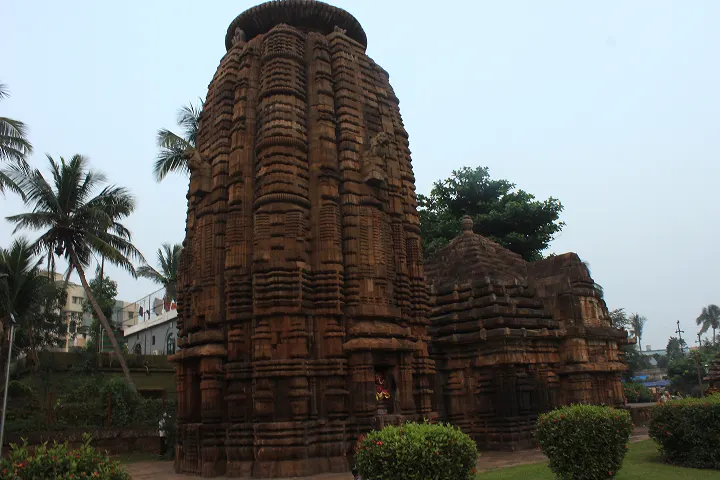
This temple stands in the same temple complex in which the world famous Mukteshvara temple stands. The shikhara of this temple is higher than the Mukteshvara temple and has a pancharatha plan, though with very little embellishments. This is a later temple than the Mukteshvara and is characterized by a higher shikhara, a more impressive and monumental architecture, but lesser in sculptural design and decorative motifs. The temple is dedicated to Shiva.
Bhaskareshvara Temple
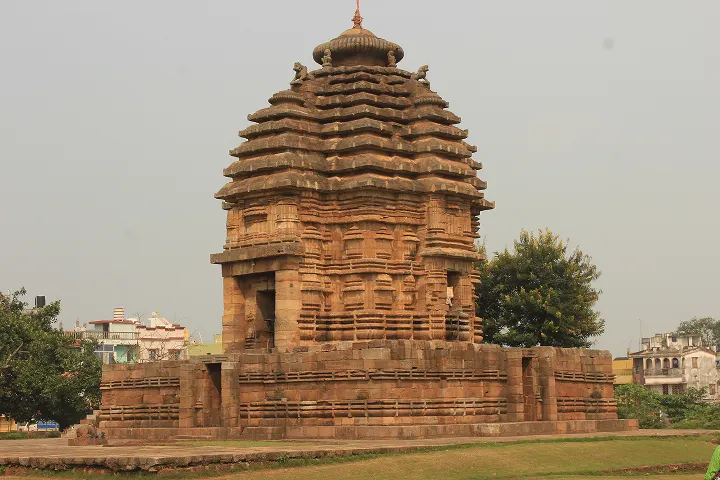
This temple is one of the most unique of all temples in Kalinga style architecture in Bhubaneswar. It has two stories and the Shiva linga is so big it takes up both the stories. It is one of the largest Shiva lingas in Odisha. The temple structure is also very peculiar. It has no jagamohana, and only a garbha-gruha, but the garbha-gruha vimana is built in the pidha devala style which is usually preserved for the jagamohana or the mandapam in the Odishan temples, but here we can see a double storey pidha devala shikhara rising above the garbha-gruha. The deva kosthas outside house Durga, Chamunda and Ganapati.
Brahmeshvara Temple
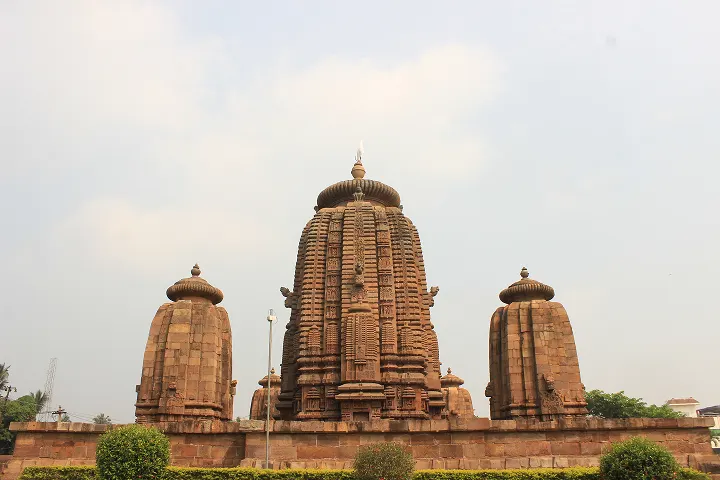
It is one of the most important panchayatana temples of Odisha still in continuous worship. Dating from the 9th century, the main temple is dedicated to Shiva. The main vimana is pancharatha with beautiful articulation of the vimāna elements. The shuka nasika sports a yali or shardula. The subsidiary shrines have simply articulated shikhara. The temple sports some beautiful sculptures of Lord Agni, Yama, Ambika, Kubera and Vishnu in Ekapadamurti. The temple is surrounded by a high wall which obstructs the view from afar of its lower ramparts. Built in pink and yellow sandstone it is a beautiful temple.
Rajarani Temple
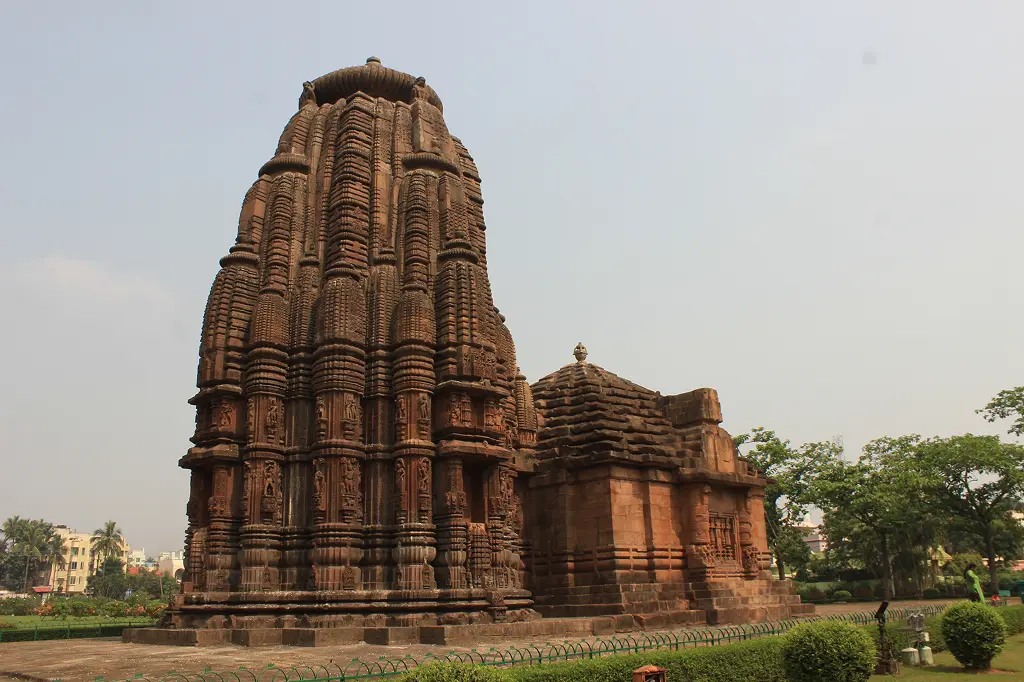
Rajarani temple is one of the most unique temples of Odisha and in Kalinga architectural style. While Kalinga architectural style is known mostly for its rekha devala shikharas, which are nothing but a variant of the Latina sub-style of nagara idiom, this temple has a very unique shikhara which is in the shekhari style, one of the most complex, beautiful and accomplished styles of nagara architecture. The garbha-gruha is now empty and all the deva-koshthas on all three sides are also destroyed, but most probably it was dedicated to Shiva and belonged to the Lakulisha sect. Built in the 11th century, in pink sandstone, it has some of the most beautiful sculptures of couples, madanikas and other figures in all of Kalinga architecture.
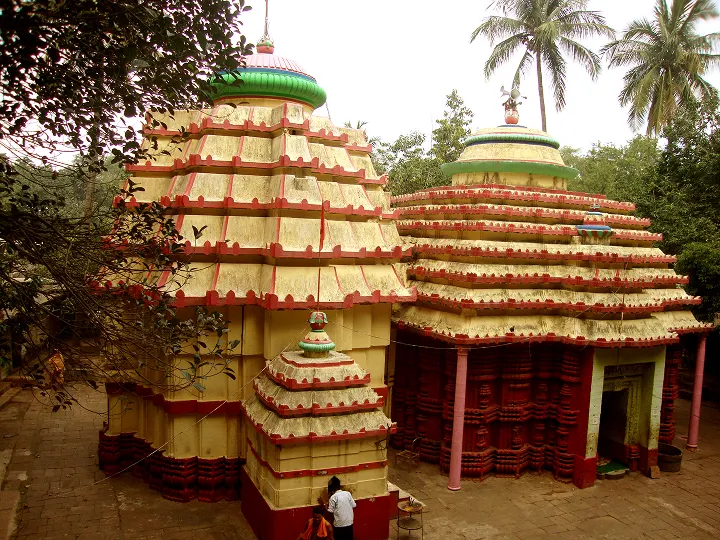
Mahavinayaka Temple
Mahavinayaka Temple at Chandikhole in Jajpur district is one of the most unique temples in all of Bharatvarsha. It is dedicated to Ganapati primarily and that is why it is called Mahavinayaka temple, but in the garbha-gruha vigṛhas of all five deities of pancayatana worship are found in worship. That is why the temple is never closed, for one or the other deity is worshipped always. Both tulsi and bilva are found in the garbha-gruha because both Vishnu and Shiva are worshipped there. It is representative of the Agneya Kona of Bharatavarsha, the wonderful state of Odisha, where worship of all five deities is still alive.
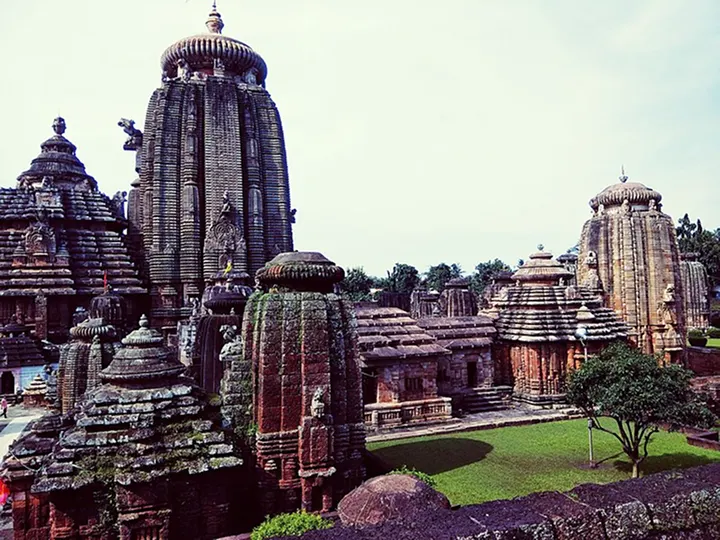
Lingaraja Temple
Lingaraja Temple, dedicated to Shiva, is one of the most resplendent temples representing Odishan architecture. It is the crowning glory of Kalinga nagara architecture bearing all its special imprints. It was built in the 11th century during the Somavansha dynasty. The temple has a very high rekha devala vimana with a jagamohana, a natamandira and a bhogamandapa. The temple premises has 50 other temples dedicated to other deities. Lingarja is a form of both Shiva and Viṣnu called Harihara by some accounts. The temple is built of sandstone and laterite and is the largest Hindu temple in Bhubaneswar. The temple is noted in the Ekāmra puraṇa, as the main deity, Lingaraja, was once seated under a mango tree, and it is from here that Bhubaneswar acquired the name Ekamra kshetra.
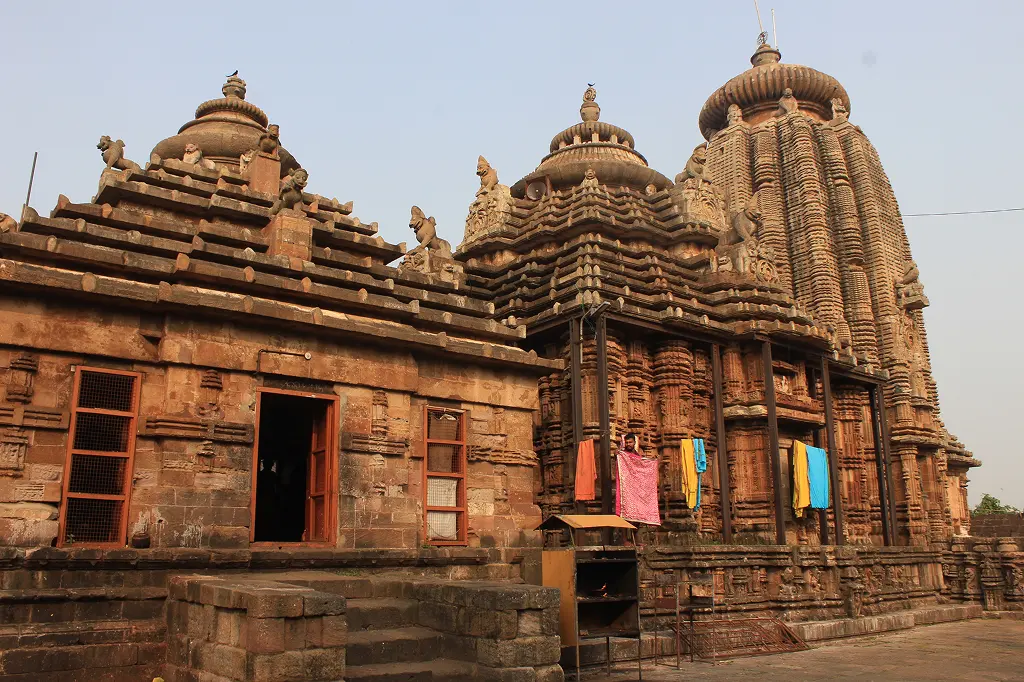
Ananta Basudeva Temple
Ananta Basudeva is the most important Vaishnava temple in Bhubaneswar, having great importance to the Vaishnava community. It was created in the 13th century during the reign of Eastern Ganga dynasty. The garbha-gruha has exquisite vigrahas of Krishna, Balarama and Subhadra, just like in Jagannatha temple, Puri. But unlike Puri, here the vigrahas are complete and built in black granite stone. Balarama stands under a seven hooded serpent; Subhadra holds a jewel pot and lotus in her two hands, keeping her left foot over another jewel pot, while Krishna holds a mace, cakra, lotus and a conch. On the outer walls of the garbha-gruha there are many mutilated forms of Varaha avatara and trivikrama avatara as parshvadevatas. The temple is famous for its bhoga/ prasadam which is cooked in multiple handis stacked over each other and cooked perfectly in all handis.
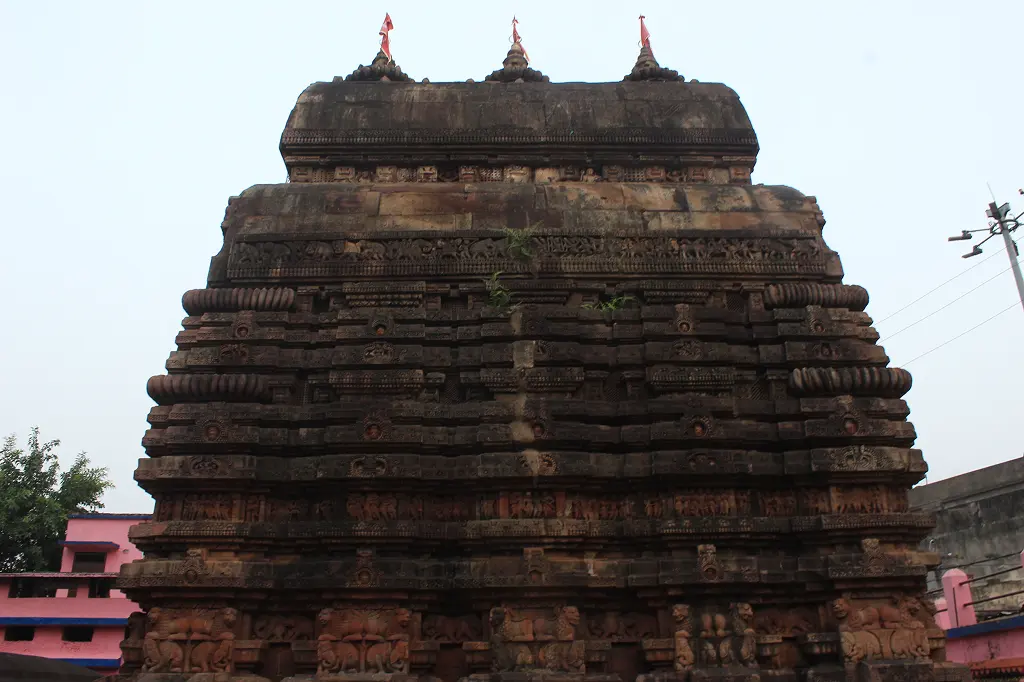
Baitala Deula
Baitala Deula is one of the oldest temples of Bhubaneswar dedicated to Goddess Chamunda. Its garbha-gruha vimana is built in khakhara devala style as typical of tāntṛic goddess temples of Kalinga. The garbha-gruha vimana has three spires on the top representing the shakti of Mahasarasvati, Mahalakshmi and Mahakali respectively who are represented by the great goddess Chmunda. The jagmohana is rectangular with a flat roof but all corners have subsidiary shrines which is a peculiar feature of this temple. The presiding deity, Chmunda sits on a corpse flanked by a jackal and an owl and decorated with a garland of skulls. She holds a snake, bow, shield, sword, trident, thunderbolt and an arrow, and is piercing the neck of the demon. It is one of the most important tantric temples of Odisha.
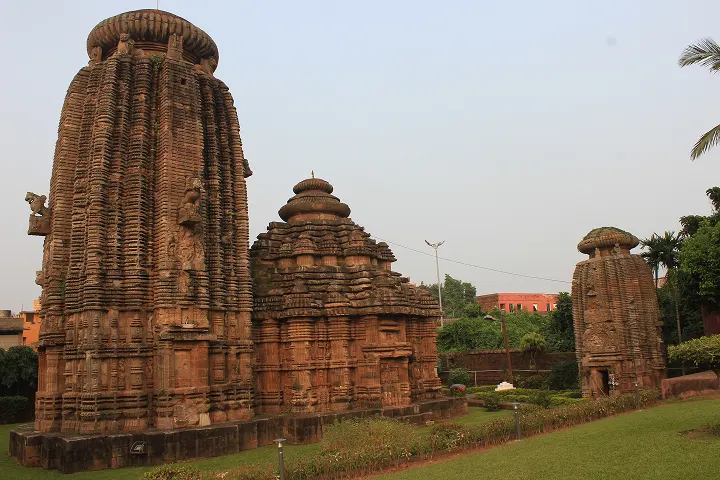
Chitrakarini Temple
Chitrakarini Temple is architecturally one of the most important temples of Bhubaneswar. It is panchayatana in plan, meaning it has five temples in total. One main temple dedicated to the Goddess and four temples in four corners dedicated to the other four deities of the panchayatana fold. The temple takes its name from one of the appellations of Goddess Saraswati, as the word Citrakarini means a ‘paintress’. However, during the medieval era, the temple was destroyed and now the presiding deity is Goddess Chamunda and not Sarasvati. The temple was built in the 13th century during the Ganga dynasty by Narasimha Deva I, the same ruler who built the famous Konark Sun Temple. While the main temple has a rekha devala vimana and a jagamohana, the subsidiary temples do not have any jagamohana.
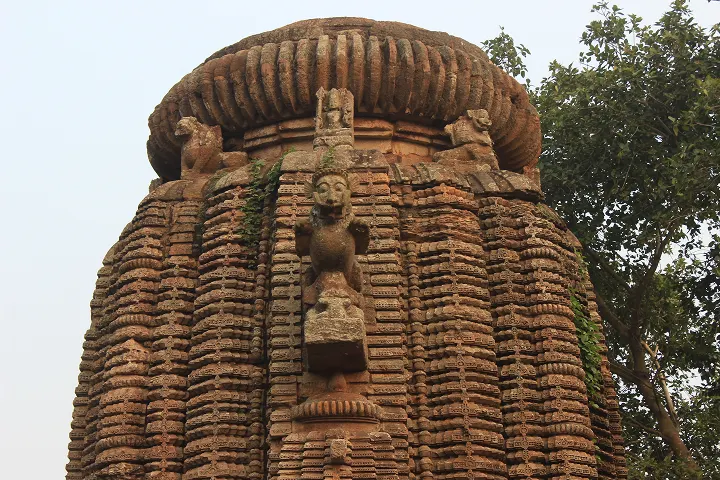
Sukasari Temple Complex
This is a twin temple complex which was recently excavated. The bigger and beautifully ornamented temple is called the Sari temple, and the smaller temple is called the Suka Temple. The jagamohana of the Sari temple is beautifully articulated, staggered and decorated. Both of these temples were built in the 13th century CE by the Ganga dynasty. The temple is decorated with court scenes of the Ganga dynasty and various war scenes along with beautifully carved vigraha of goddess Parvati. Apart from this, there are Makareshvara, Maitreshvara, Brahma, Ekamreshvara, Gangeshvara-Yamuneshvara, Yameshvara and Sisireshvara temples around the Bimbisara sacred pond, which is the nerve center of the temple culture of Bhubaneswar.
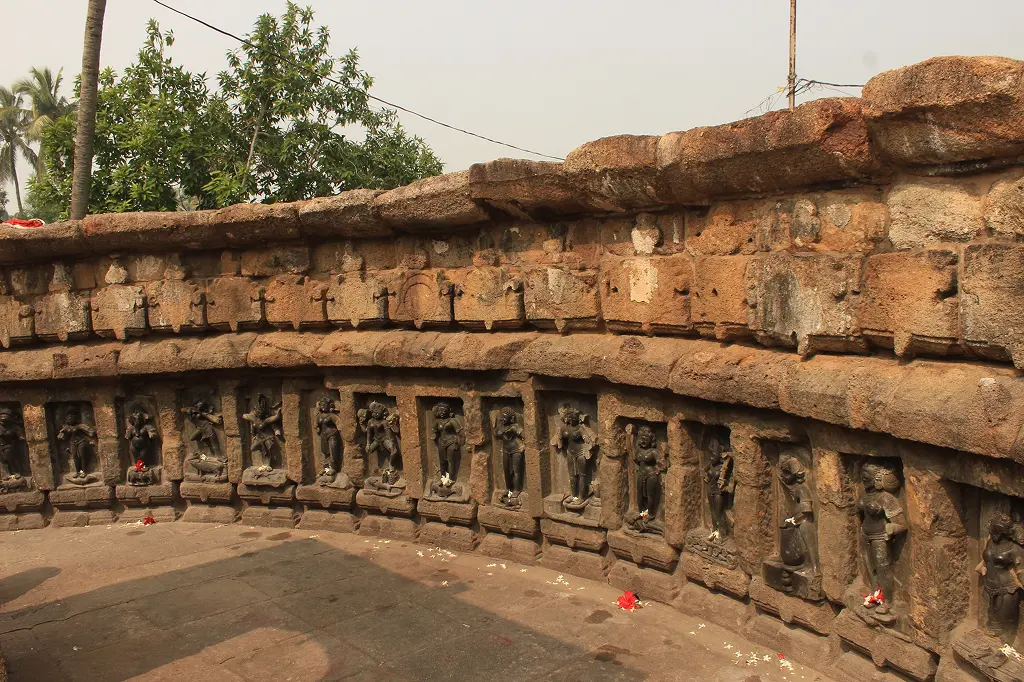
Chausath Yogini Temple
Chausath Yogini Temple is a Tantric temple just outside Bhubaneswar in a quiet village, dedicated to 64 Yoginis. It is said that eight great Yoginis emerged from the cosmic soul of the great deities and formed Kali Durga. Some sects call the great goddess Tripura Sundari. These Yoginis are called Matrikas. Some sects have seven and some have nine Matrikas. Most commonly they are eight. Each Yogini in turn gives birth to eight Yoginis and thus the name of 64 Yoginis. This temple is hypaethral (open air) as Yoginis are capable of flight. The temple is circular in shape. 60 Yogini shrines surround a central sanctum, called Candi Pitha, which hosts 4 Yoginis, 4 Bhairavas and Shiva.
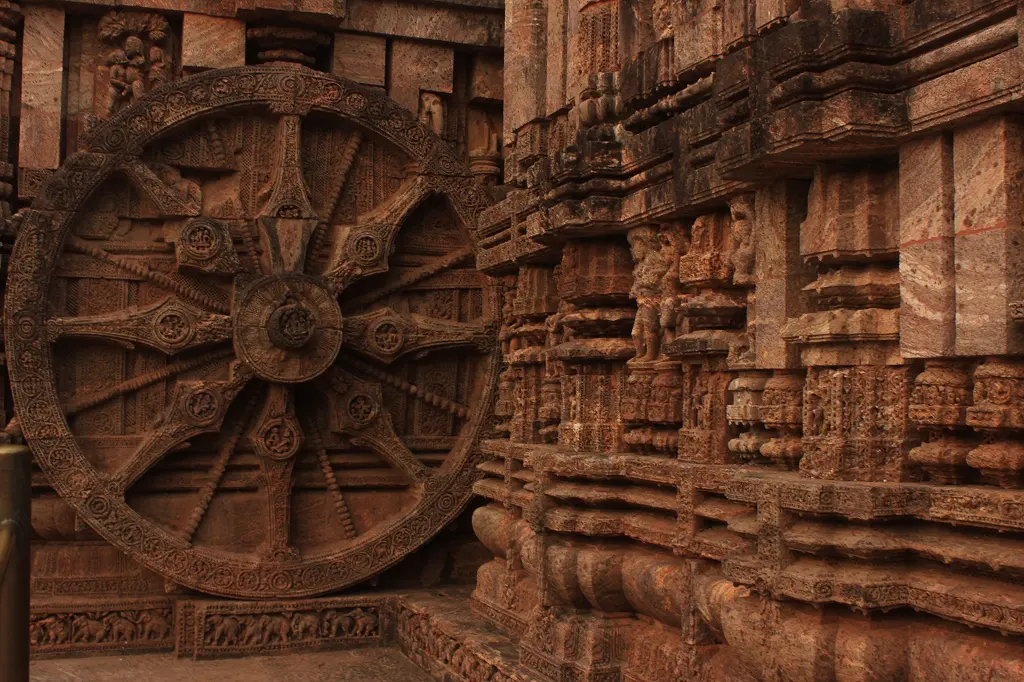
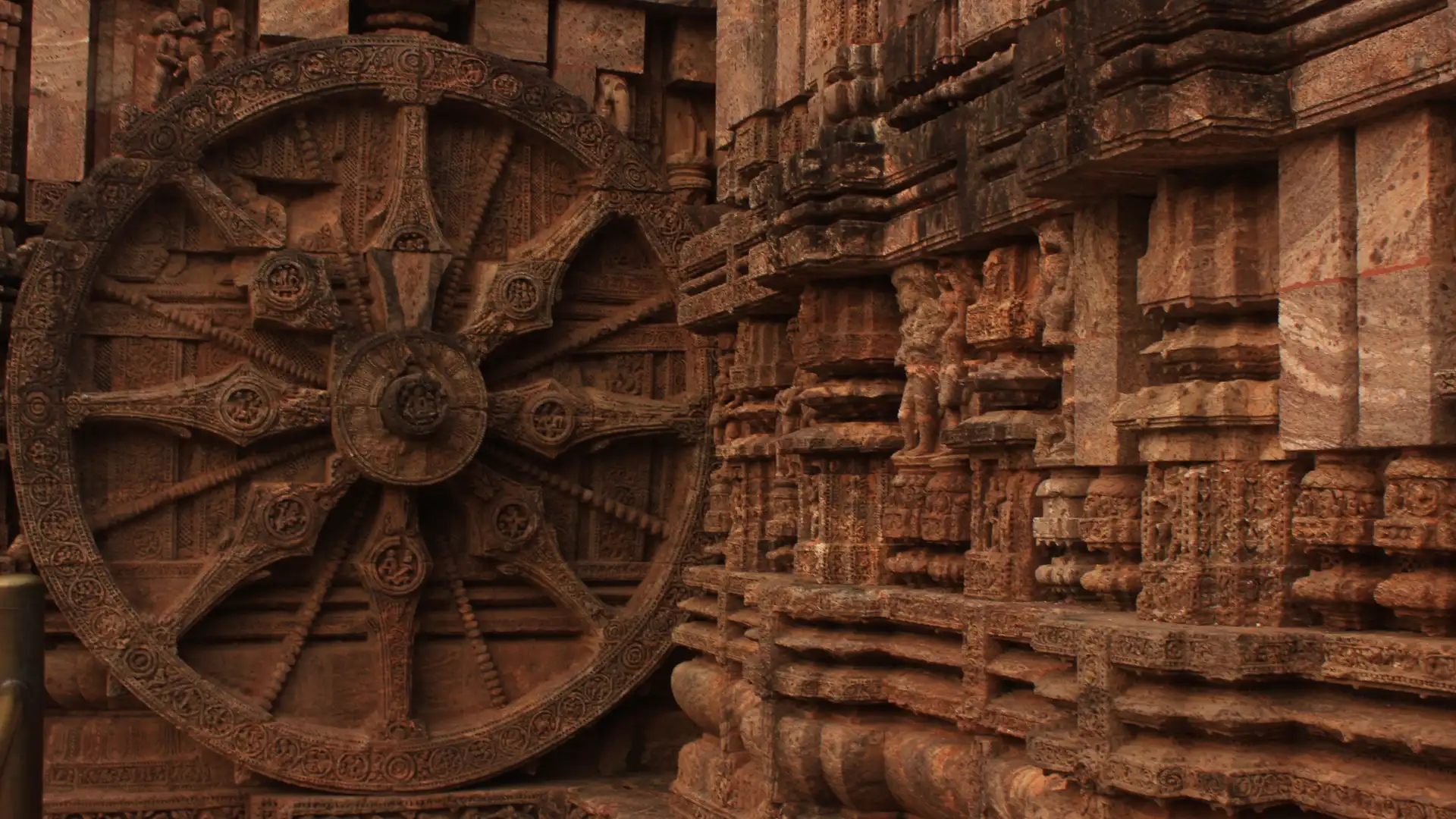
Konark Sun Temple
Konark Sun Temple is the pinnacle of Hindu temple building in so many ways. Had its shikhara been intact today, it would have been a few feet higher than the Brihadeeswara Temple, Thanjavur and thus would be the highest of all ancient Hindu temples. Built in three types of stones, the Konark Sun Temple takes the motif of a chariot to its pinnacle as the entire temple is imagined as a ratha drawn by the horses of the Sun God. While the main vimana has fallen, the horses and wheels of the temple are still extant and have become the symbol of Kalinga temple architecture. The temple is a marvel not just from the point of view of architecture but also in its breathtaking series of sculptures still adorning the temple.
Gangeshvari Devi Temple
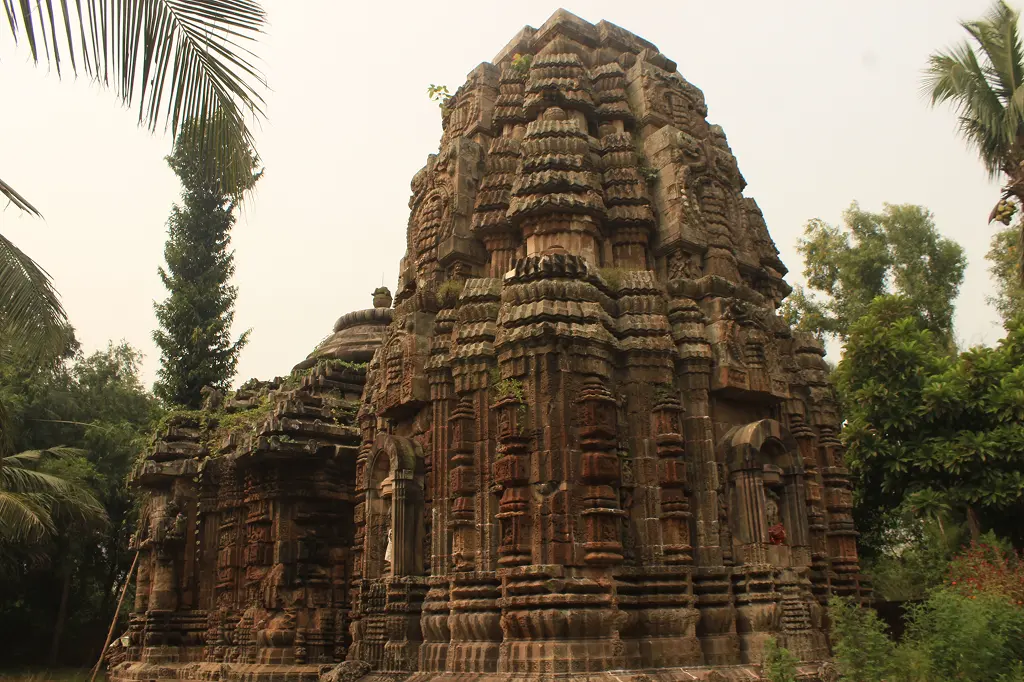
This temple is dedicated to Varahi Devi, a tantric goddess, one of the Matrikas and consequently one of the 64 Yoginis. She is the Shakti of the Varaha avatar of Vishnu. She is supposed to hold the universe in her womb. She has the face of a sow and the body of a woman, complexion like a dark cloud. She holds cakra, mace, plough, pestle, khadaga, khetaka, khatvanga and kapala in her hands in various combinations of two, six, eight hands. This temple is located in a picture-perfect village untouched by modernity, amidst the rural idyll alongside a lake. The temple vimana is khakhara devala with a pidha devala jagamohana. The temple jagmohana has three toranas on three sides with the front functioning as the entrance and the side ones as windows. The temple was built in the 13th century during the Ganga period.
Barahi Devi Temple
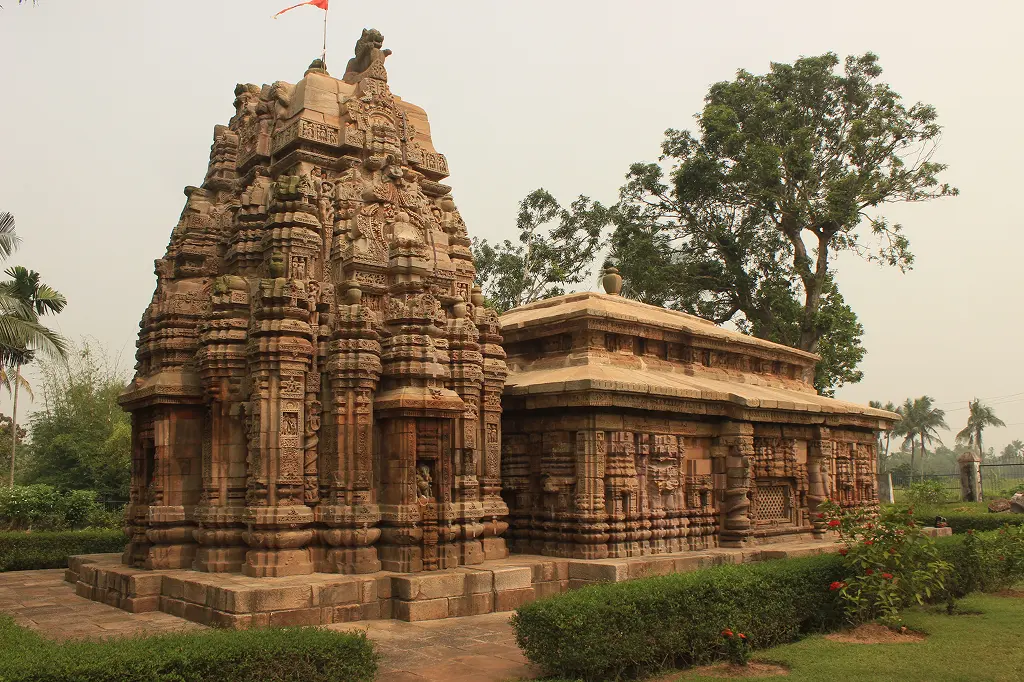
Another Barahi Devi temple, this one is located in the Chaurasi village. It has a khakhara devala shikhara which is typical for a tantric temple dedicated to a goddess. The Barahi vigraha in the garbha-gruha is one of the most beautiful vigrahas of Barahi in worship. She is seated in lalitasana with two hands, one holding mina (fish), and other holding a kapala for drinking blood of the demons she has killed. The temple was built in the 10th century during the Somavanshi rule. The garbha-gruha is rectangular in size and is pancaratha in projection. The temple depicts scenes from the Ramayana on the jagamohana like killing of the golden deer, the abduction of Sita, the murder of Jatayu, the uprooting of seven palm trees, the killing of Vali etc. Outer walls have Lord Surya and a standing Gaṇapati in the deva kosthas.
Jagannath Temple
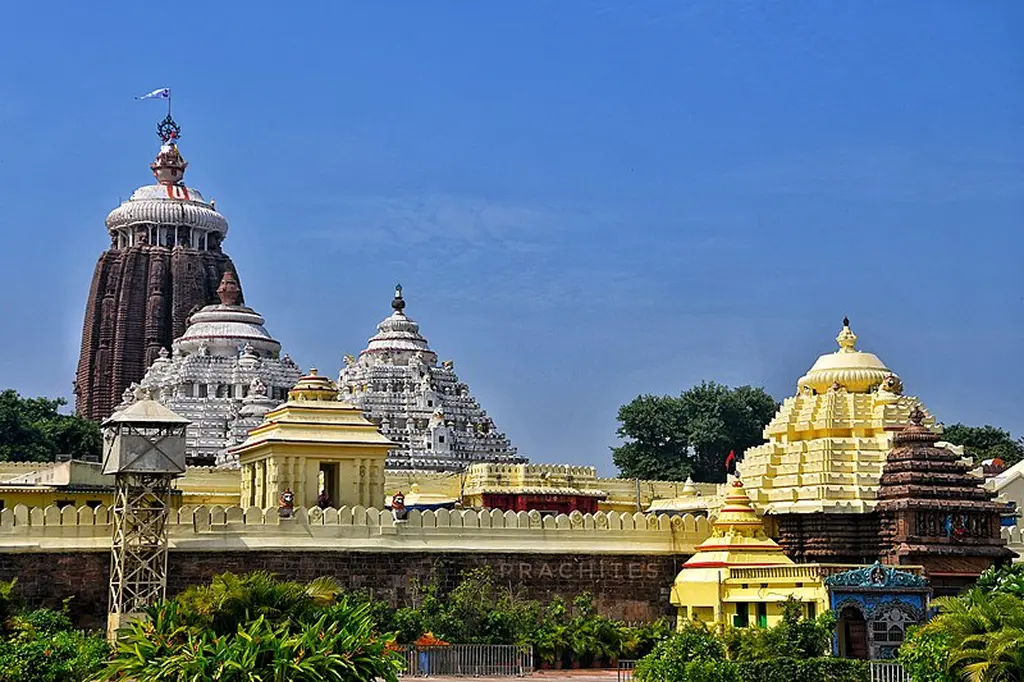
One of the Char Dhams of Hindu dharma, this temple is dedicated to the Krishna avatar of Shri Vishnu. He is accompanied by Subhadra and Balarama in the garbha-gruha. The vigrahas are not stone or metal but wooden and huge in size. These vigrahas are remade every 12 years and it is said that the ‘soul’ inside them is transferred in secret to the new vigrahas. Temple legend says that this is where Krishna appeared at the end of Dvapara Yuga as Lord Jagannatha, near the seashore and a banyan tree as the Blue Jewel. The temple is huge and one of the largest representatives of Kalinga architecture with a very high shikhara, and three jagamohanas (mandapams) in front of it.
Sakshi Gopala Temple
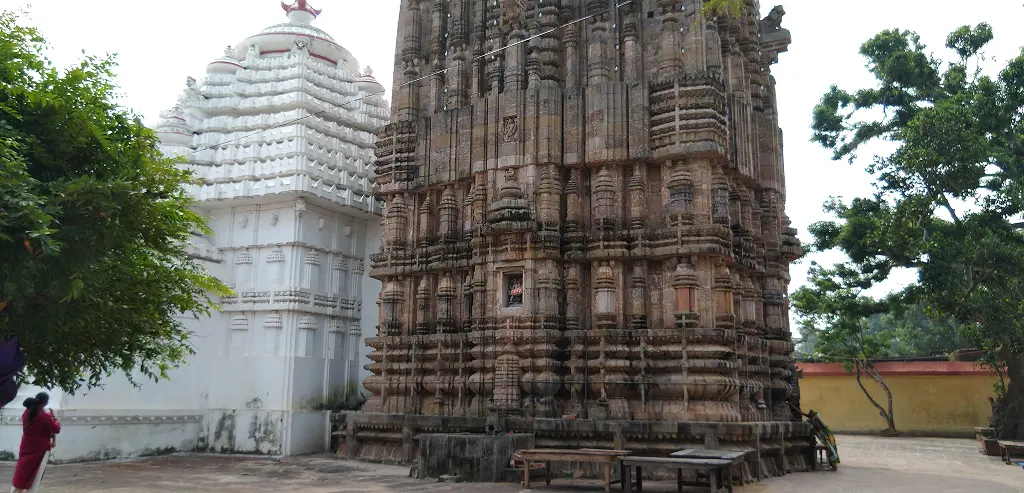
This temple is dedicated to Krishna as Gopinatha and Radha. The temple is built in the traditional Kalinga nagara style with a very high rekha devala shikhara over the garbh-grha. It is preceded by a khakhara-devala jagmohan (mandapam). The temple legend tells of a village boy who fell in love with the daughter of the village chief who would not allow them to marry. But once on a trip, the village boy helped the father of the girl when he was sick and the father promised to marry off his daughter to him but refused upon return. The boy then requested Gopinatha to come as his witness, which he did agree to but with one condition. Gopinatha would walk behind the boy to his village but the boy could never look back. Just before reaching his village the boy could not hear the footsteps of Krishna anymore and looked back to cross-check and consequently Krishna became a stone vigraha! The temple today is located at the same place where this happened.
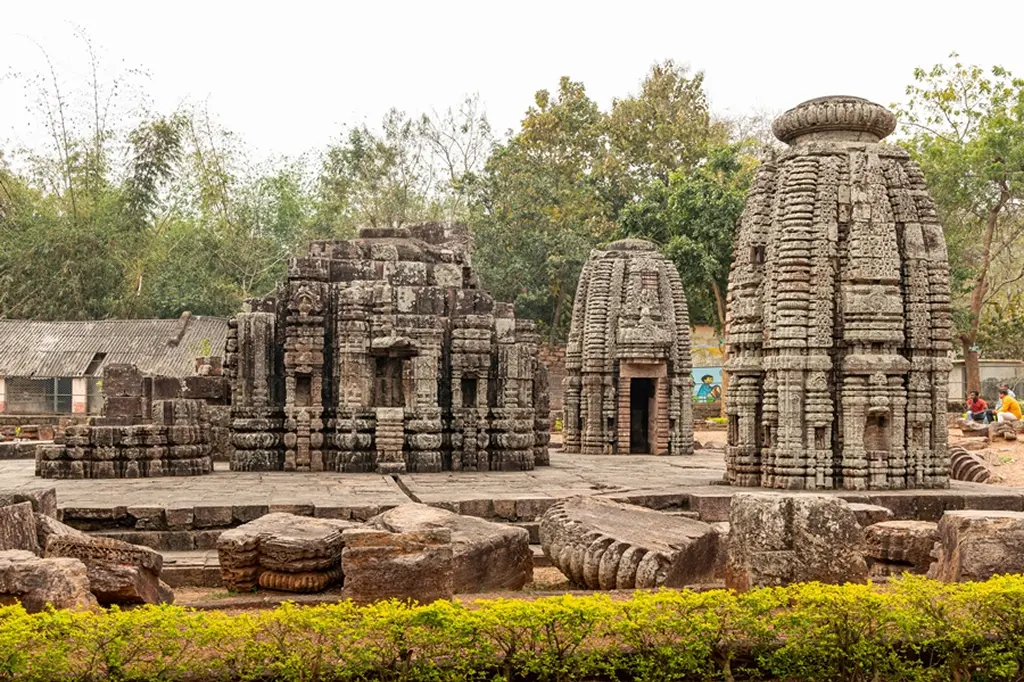
Panchpandub Temple
Attributed to the 10th-century Somavamsi rulers who were the prolific builders behind Bhubaneswar’s iconic Lingaraja and Mukteshwara monuments, this sacred site bridges regional dynastic architecture with classical epic traditions. Rooted in local folklore, the sanctuary marks a legendary haven during the Pandavas Agyatvas placing Queen Kunti and Yudhishthira at present-day Rudrapur, with the remaining four brothers quartered beneath the Jalauka hills. Structurally, the complex features a prominent central sanctum consecrating Bhagavan Vishnu in the divine iconography of Shri Krishna flanked by Rukmini and Satyabhama, framed by an assemblage of subsidiary shrines honoring the Pandava brothers.
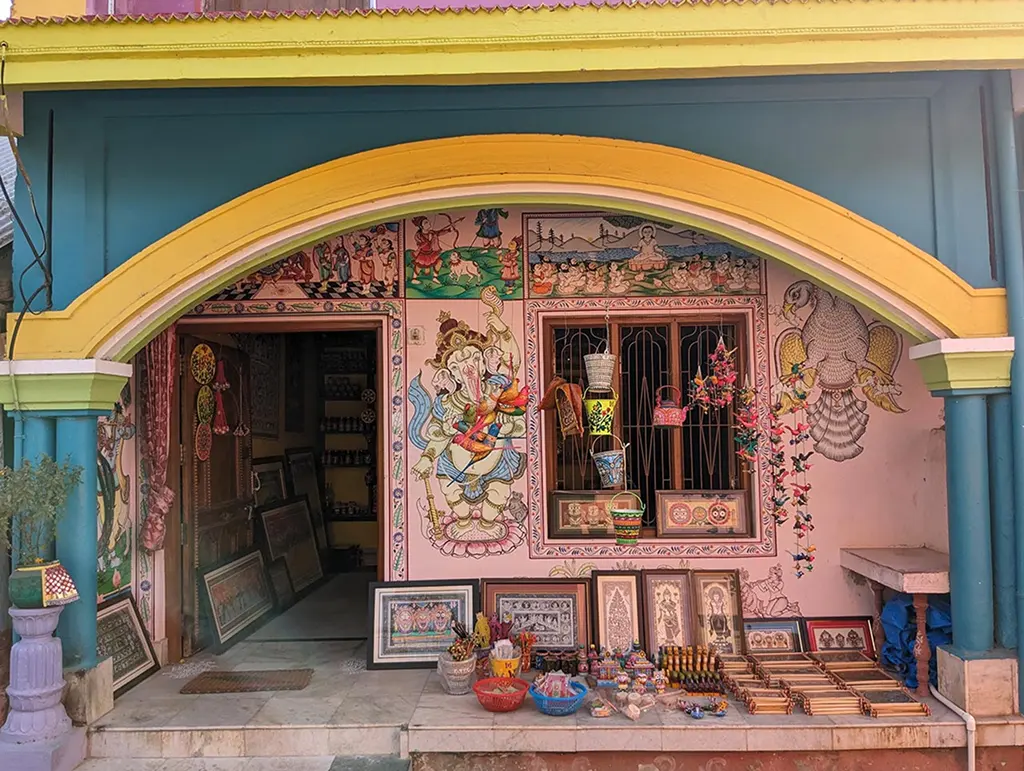
Raghurajpur Art Village
More than 500 years ago, under the patronage of the Gajapati Kings, a small settlement of artisans took root near Puri for one reason, which was to pour their devotion into the rituals of Lord Jagannath. They gave life to the sacred Pattachitra scrolls, delicate palm-leaf manuscripts, and ceremonial cloths that still adorn the deity during the annual Ratha Yatra. Today, visiting Raghurajpur leaves you spellbound. In this humble village, art isn’t a commercial trade; it is an inheritance of love. Families still pass down their craft from parent to child through oral memory and rigorous practice, turning their entire village into an awe-inspiring, breathing sanctuary of heritage.
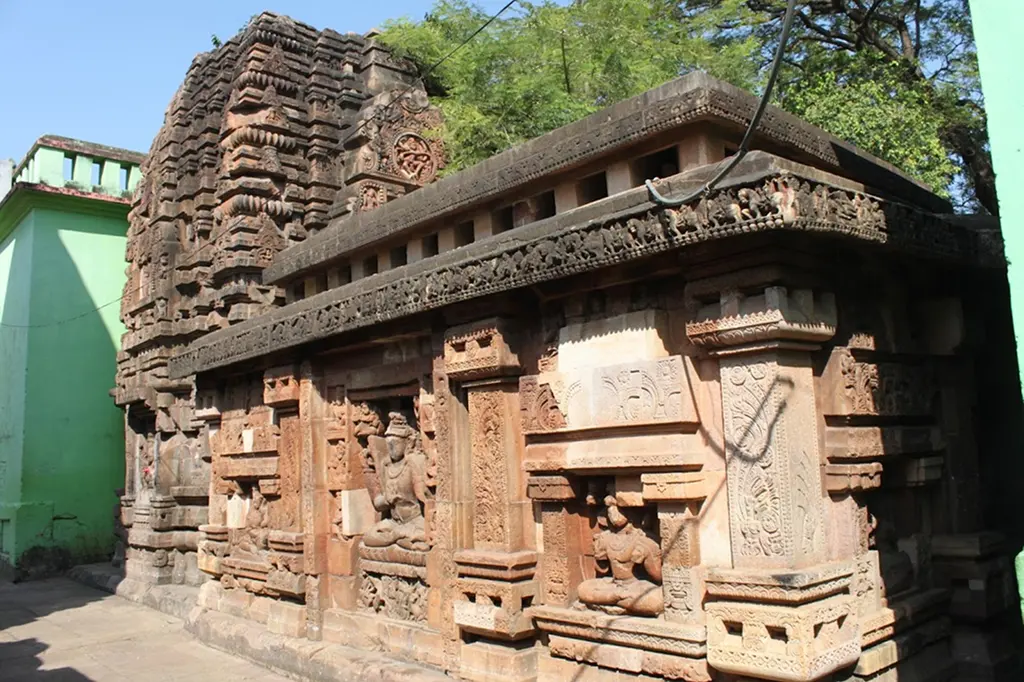
Sisiresvara Temple
Built under the patronage of the Bhauma-Kara rulers of Toshala and Kalinga—governing from their seat at Guheshvarapataka (modern Jajpur)—this 8th-century sanctuary in Bhubaneswar marks a seminal evolutionary threshold in early Kalinga architectural idioms. Structurally, the monument showcases the proto-typical regional layout comprising a curvilinear rekha vimana coupled with an archaic, flat-roofed jagamohana. Iconographically distinguished, the southern elevation preserves an exceptional sculptural representation of the Pasupata master Lakulisa seated four-armed amidst his disciples, complemented across the exterior niches by masterfully rendered bas-reliefs of Nataraja and Ganesha.