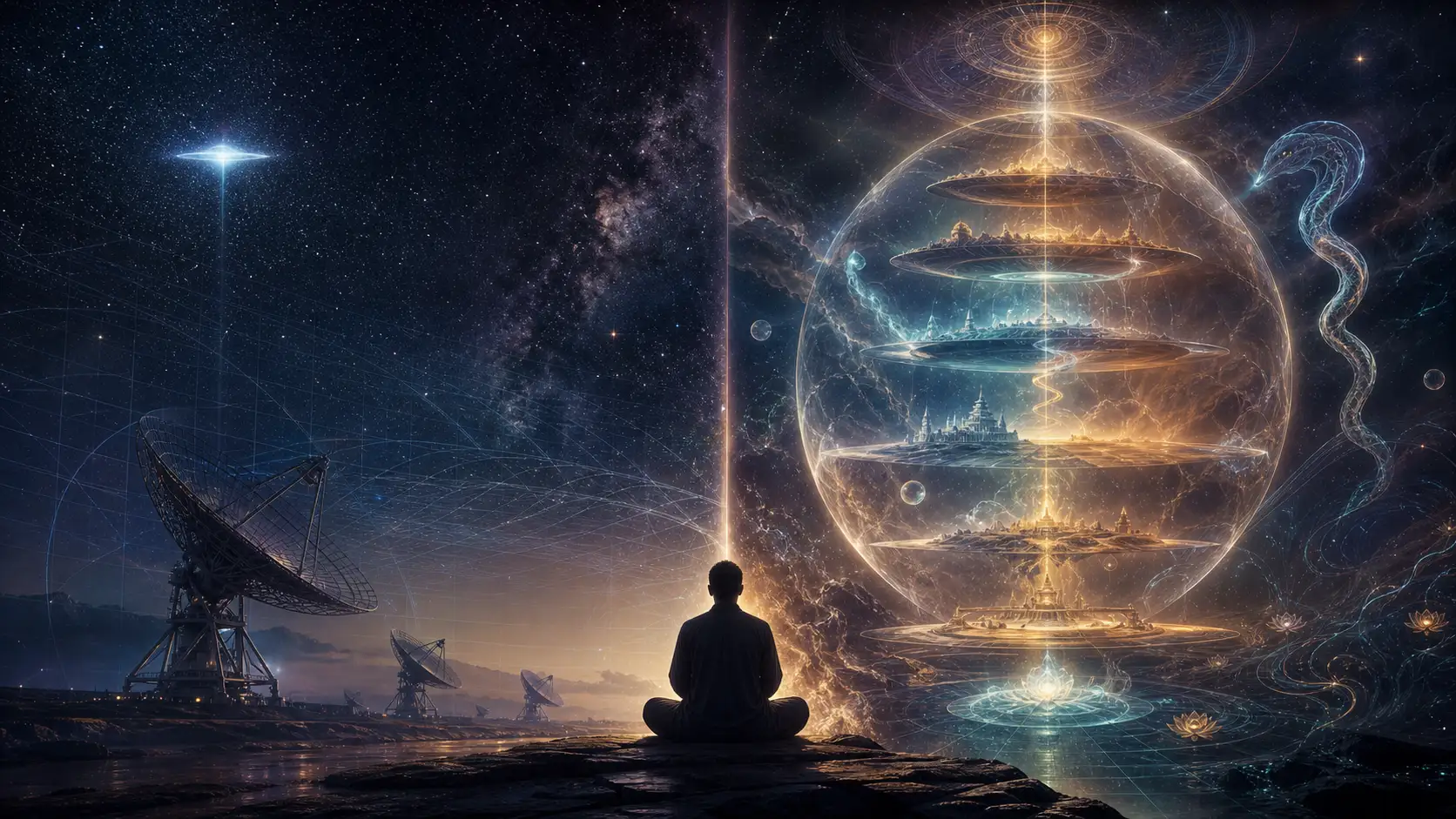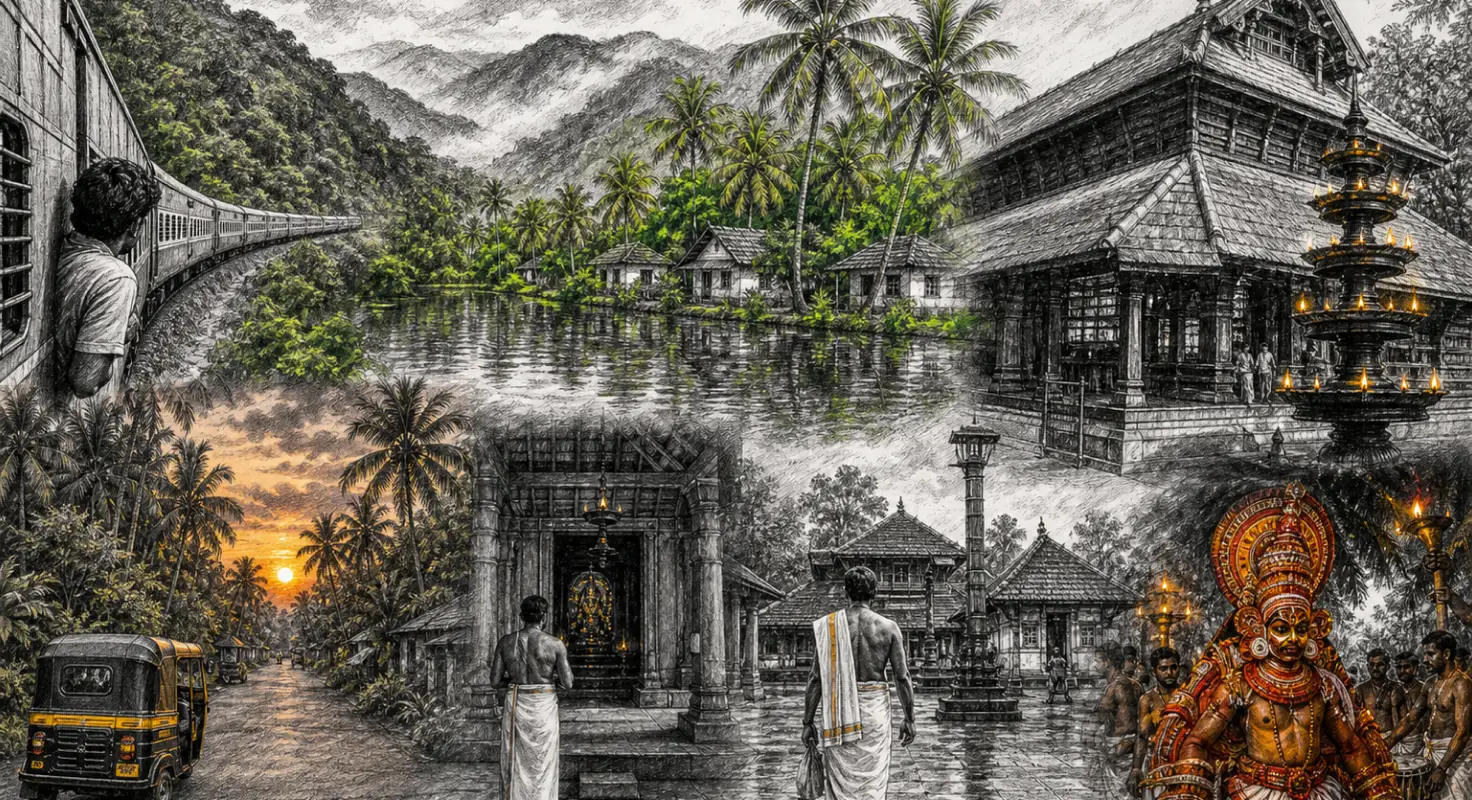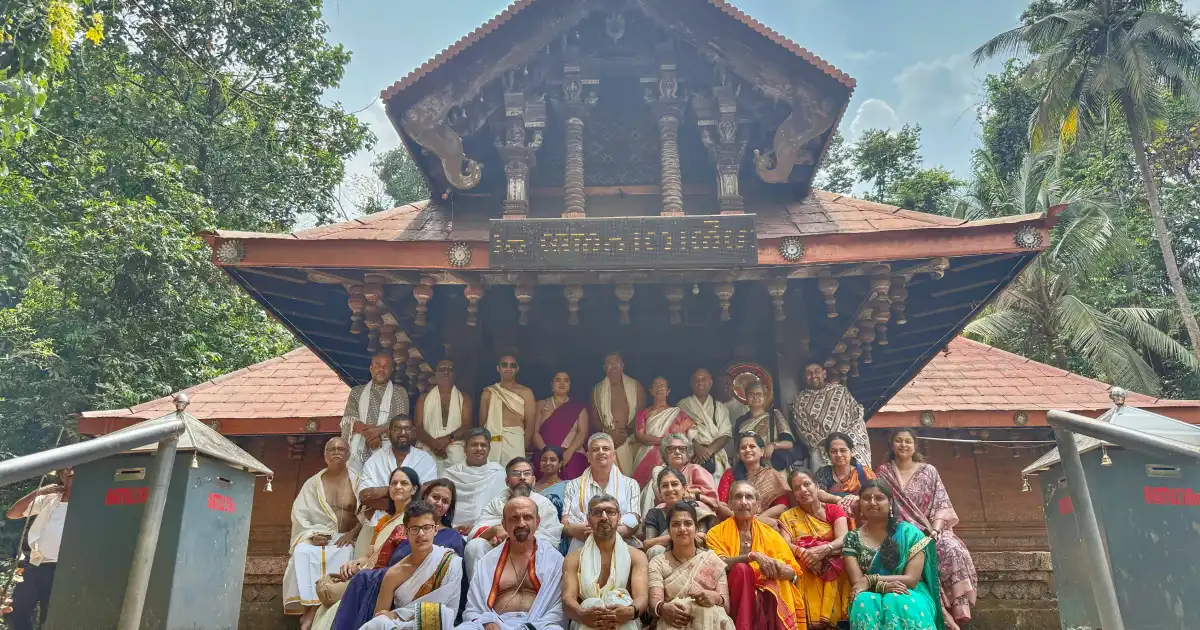
Back in 2004, in what seems like a lifetime ago, I was watching a movie - National Treasure. In it, a character mentions the grand library of Alexandria in ancient Egypt, which supposedly contained what would have been all the knowledge of the Greek and Egyptian civilizations, up until that point. But the library was eventually destroyed, and so the knowledge was irretrievably lost. The character laments -
Can you imagine what they might have contained, those scrolls of Alexandria?
I was a keen reader of history and civilization even then. So the phrase struck me immediately. Not only did it evoke a sense of deep history, it evoked a sense of lost history. And my mind turned closer home. I thought of Nalanda, of Takshashila, of the tales of our libraries and universities burning for days on end - indicating the amount of scripture and text put to the fire. I thought of how much history might we have lost and, figuratively speaking -
What might they have contained? Those scrolls of Aryavarta?
So, 22 years ago, that was the genesis of this name, and through it I carried a sense of the ancient Indian past. The scrolls of Aryavarta became a kind of fictional imagination in my own head, of recreating the ancient Indian civilization in fiction, in narrative, in storytelling. Now, at that time, I first started using this name as my ‘artist name’. I dabbled in electronic music production in those days, and from 2004 to around 2008, the Scrolls of Aryavarta was my name as an amateur psytrance producer.
And I thoroughly enjoyed it - not just making the music, but also giving the tracks their imaginative titles! For example - Agni, Young Anjaneya, Sacred Fury - all created by Scrolls of Aryavarta. And in my head, all capturing some element, some dimensionality, of ancient Aryavarta.
My deepest aspiration was to create what I used to call immersive novels. The idea was of novels accompanied by appropriate theme music and original score, and art depicting key scenes from the stories - “immersion” along multiple dimensions. But I was no artist, and a middling amateur in music production. This grand ambition was not to be. Not then at least.
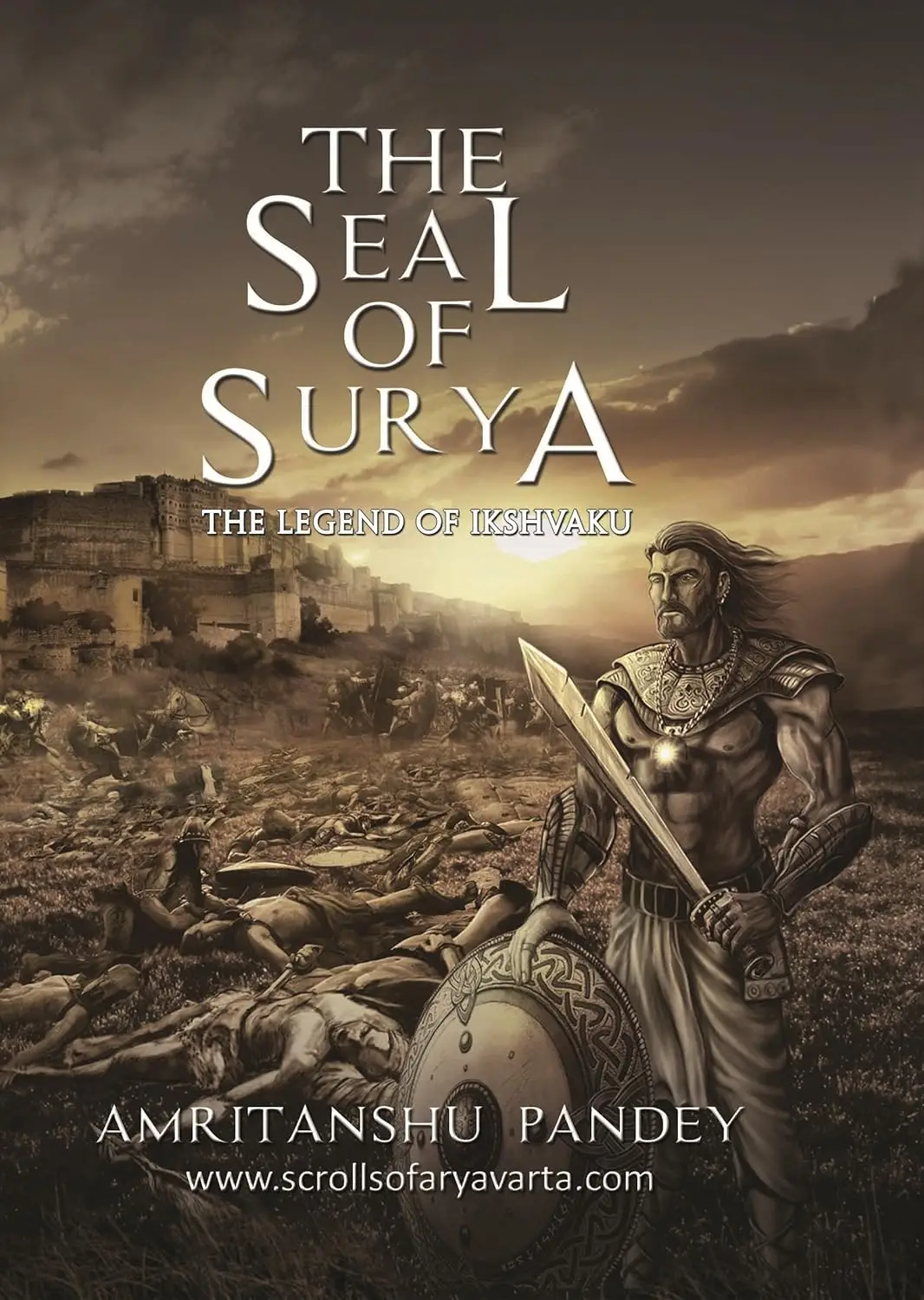
Jump forward now to 2014, when I published my first novel, a historical fiction - The Seal of Surya - fictionalizing the life of Ikshvaku of the Suryavansha dynasty. Though I’ve not followed the novel up with anything else, it was placed in a larger universe from the start. The universe of ancient Aryavarta. I had ideas for many more stories - based on different chakravartins, tribes, rishis. So when I published the book, I published it as one part in the Scrolls of Aryavarta series. Even today, if you see the book cover you’ll see the subtitle -
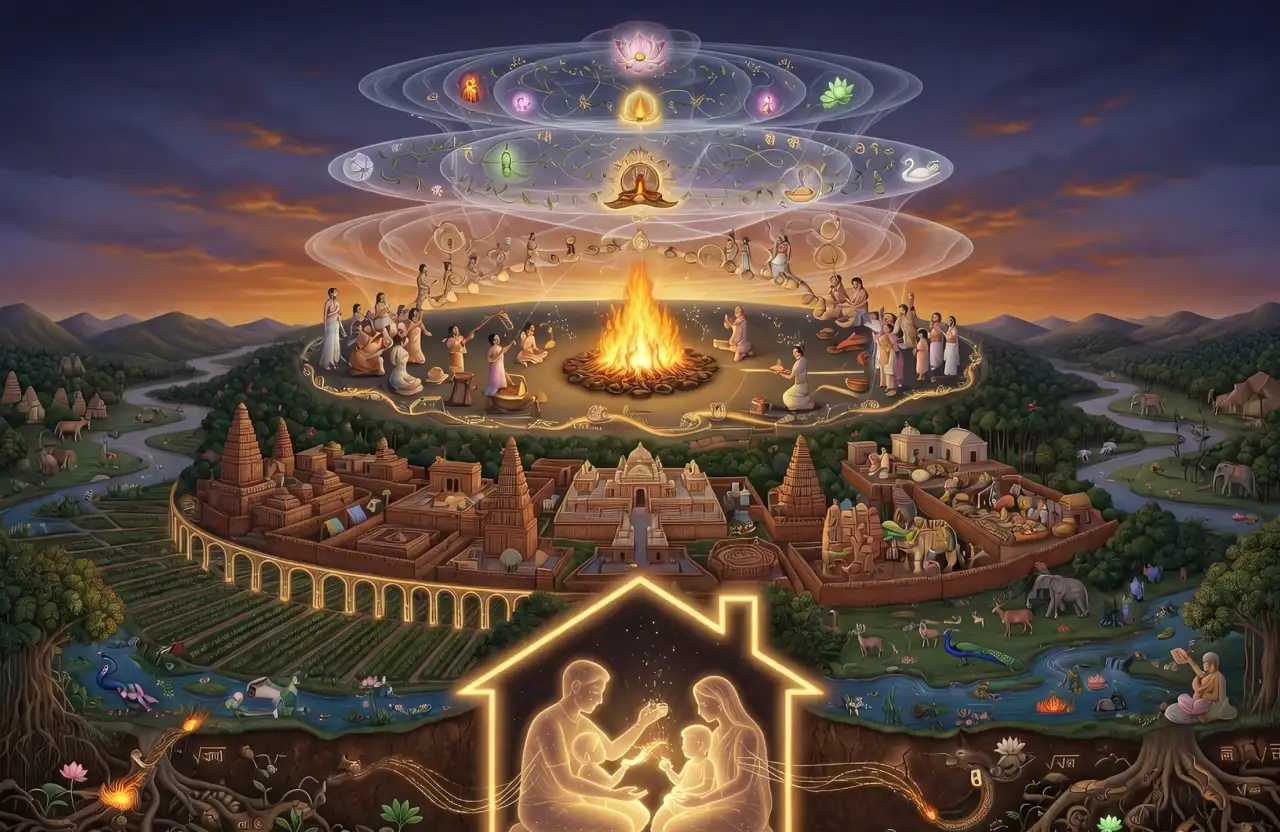
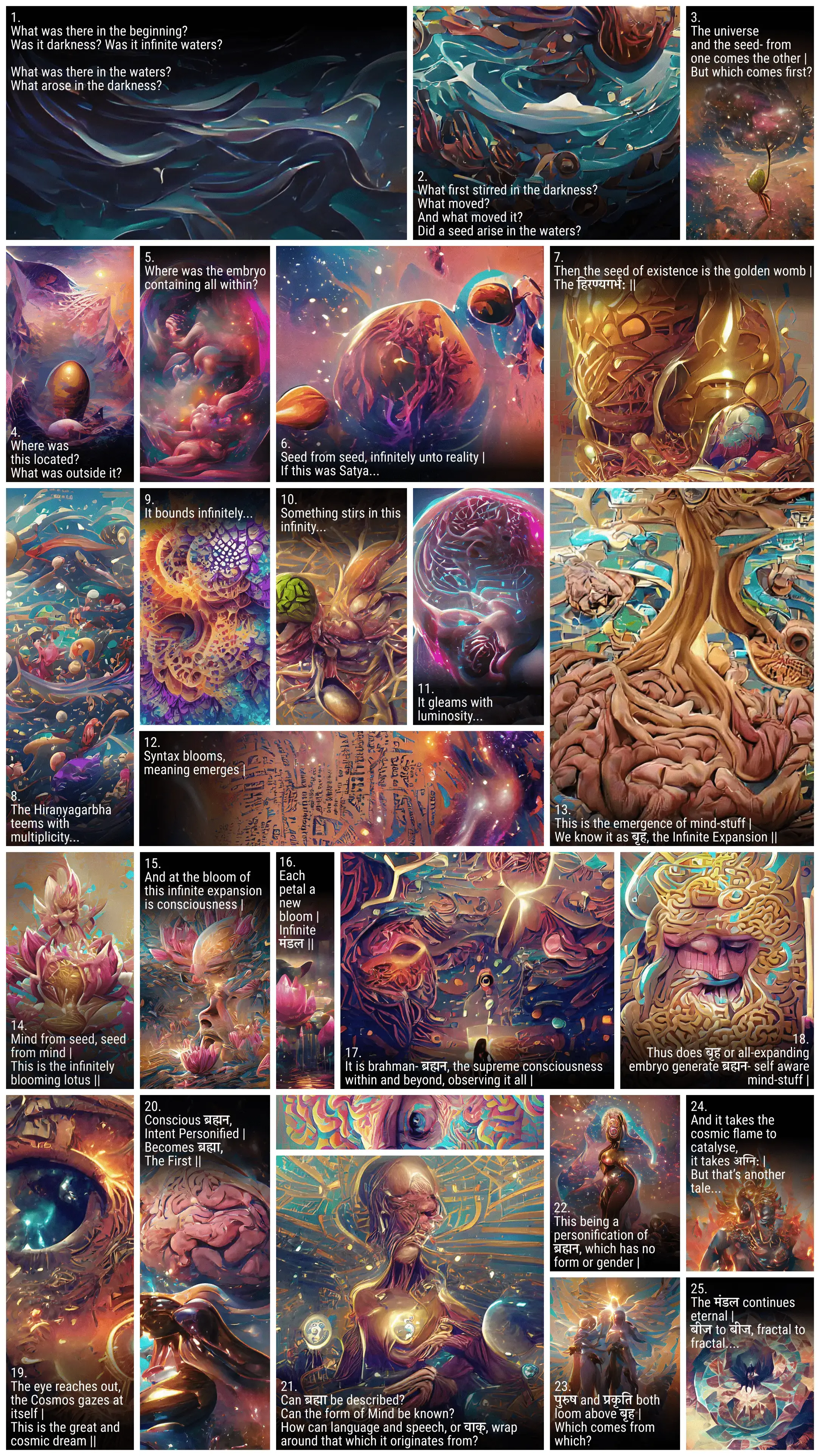
Flash forward now to early 2022. This was the eve before ChatGPT and mature image generators like Midjourney had come about. But there was an image generator called Wombo, and it wasn’t as sophisticated. You couldn’t write a proper prompt and expect it to understand that to make an image. It was more abstract, you could write phrases like “flow of consciousness” and see it make some kind of pattern/image based on that. But for my creative juices it was already enough to play with. And I came up with this -
When tools like Midjourney rolled out I was ready, and I wasn’t the only one. Across social media people were using these tools to create images of ancient Aryavarta - an image of Hastinapur here, a portrait of Raja Sagara there, a map of the janapadas, and more. And for a non-artist like me the utility was creativity-empowering. Now I could achieve two-thirds of the original Scrolls of Aryavarta ambition - I could write, and create accompanying art.
Thus was born contemporary Scrolls of Aryavarta, the current project. Complementing stories I had written over the years with AI-generated artwork, I began putting together digital comics and visual tales set in ancient Aryavarta. The clearest statement of what SoA is -
An exercise in creative storytelling, to recreate the Bharata that once was, or could have been.
It started in 2022-23 at my previous organization. And now I continue it here, at Bodha. We’ve commenced it with a very serious volume - the story of Islamic imperialism in India, as best told by Shri Sita Ram Goel. Using his work we’re crafting stories of the Islamic encounter with Aryavarta, one that Will Durant called “possibly the bloodiest chapter in human history.”
That’s where the Scrolls of Aryavarta is today, and we hope to take it into larger, deeper directions going forward.
Read Issue 1 of Scrolls of Aryavarta. Subscribe to receive fortnightly issues in your inbox.