

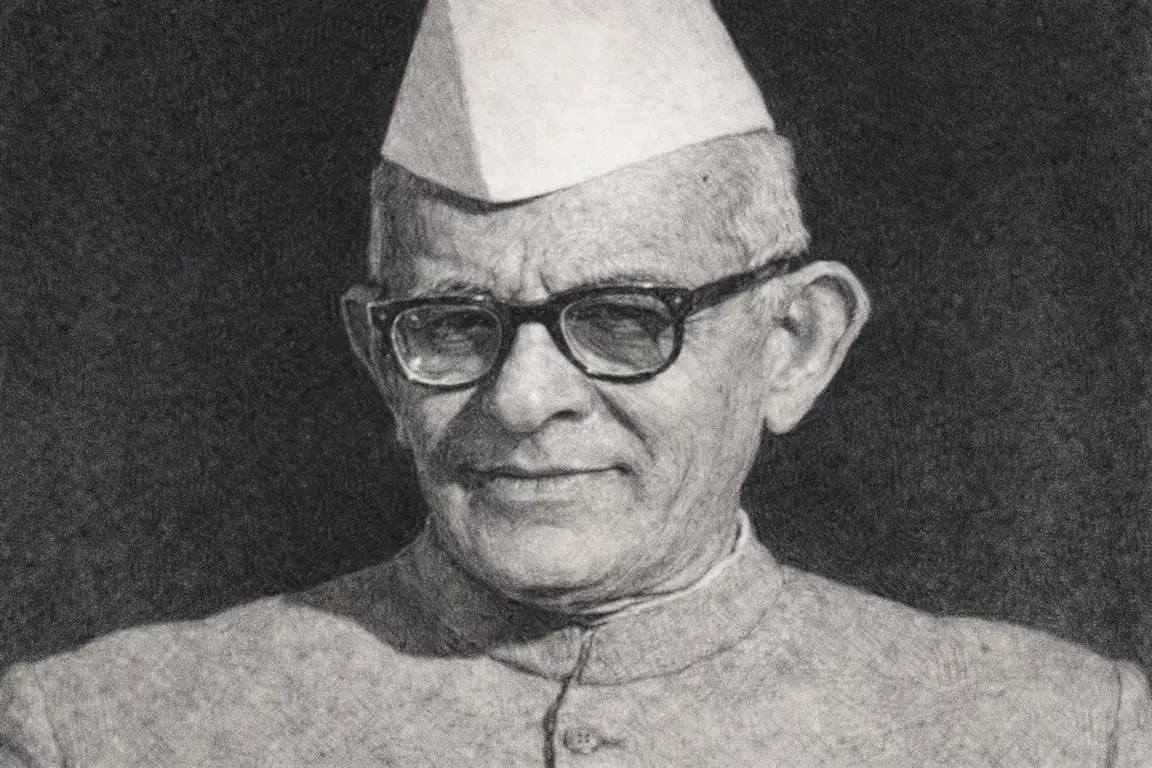
KM Munshi
Freedom fighter, novelist, and founder of Bharatiya Vidya Bhavan, Munshi spent his life reconstructing the cultural and historical memory that colonial.
Kanhaiyalal Maneklal Munshi ji stands as one of those rare figures who refused to let India’s past be buried beneath the debris of colonial historiography and contemporary amnesia. A freedom fighter, novelist, lawyer, and statesman, Munshi ji wore many hats - but it is as a cultural architect that his legacy burns brightest. He understood, long before it became fashionable to say so, that a civilization disconnected from its roots is a civilization adrift.
His most enduring contribution lies in his reframing of Indian history itself. Where others saw a fragmented past of invasions and defeats, Munshi ji saw continuity, resilience, and an unbroken thread of civilizational wisdom. He rejected the Marxist and Orientalist lenses that had come to dominate Indian academia, insisting instead on a lens rooted in Indian self-understanding. For Munshi ji, the true measure of a civilization was in its capacity to transmit meaning, values, and identity across millennia.
And he was no armchair theorist! He founded the Bharatiya Vidya Bhavan, an institution dedicated to preserving and propagating Indian culture, and spearheaded the reconstruction of Somnath Temple - an act both symbolic and defiant. In doing so, he sent a message - that India’s heritage was a living, breathing force. His vision of history was inseparable from his vision of the future - one where India would rise by drawing strength from its own depths.
Select Works
- Krishnavatara (7 vols., 1940s–60s) – Epic mythological novel retelling Krishna’s life.
- Pilgrimage to Freedom (1967) – Memoir of India’s constitutional making.
- The Creative Art of Life – Essays on education, culture, and spiritual values.
- Glory That Was Gurjara Desa – Historical survey of Gujarat’s cultural contributions.
- Bhagavad Gita and Modern Life – Contemporary interpretation of the Gita’s ethics.